El Niño poses risks to global coffee production
A strengthening El Niño is raising drought and heatwave risks across major coffee-growing regions, with Vietnam’s critically low robusta stocks adding to concerns over global coffee supplies.

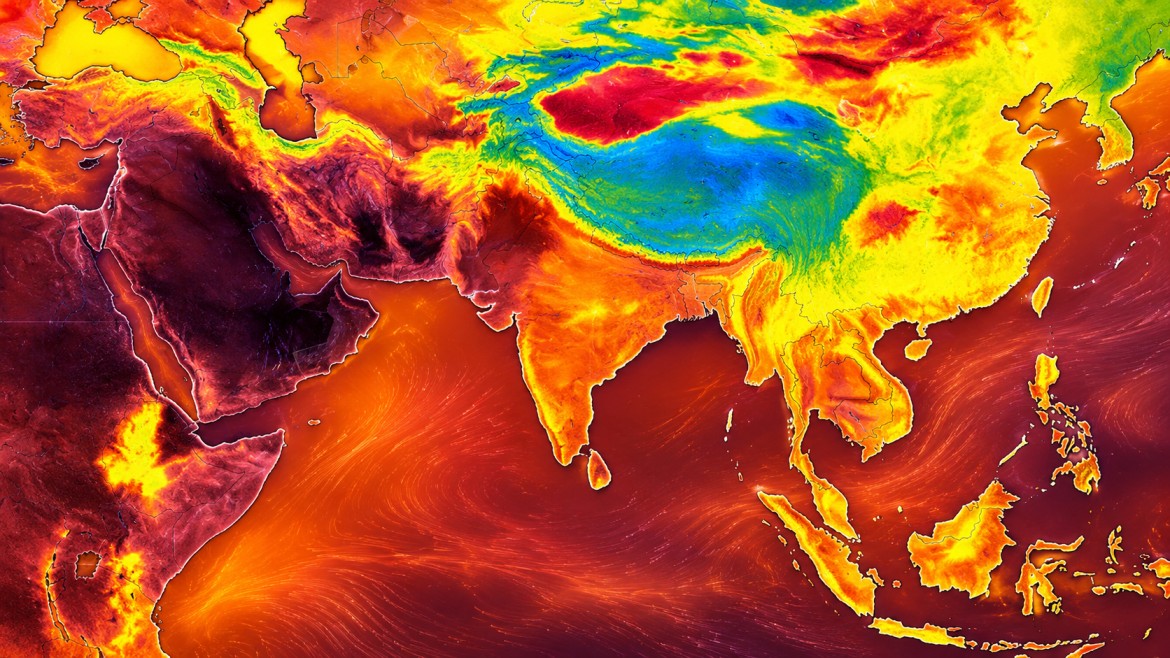
Bengaluru: The evolving El Niño weather phenomenon could threaten coffee production in major growing regions, with drought conditions expected to affect crops in Central America, northern South America and South-East Asia.
According to research agency BMI, a unit of Fitch Solutions, the developing El Niño could significantly increase drought risks across agricultural regions, putting coffee output at risk.
In previous El Niño events, the share of cropland exposed to high-intensity drought increased by an average of 11–12 percentage points across the affected regions. Central America’s Dry Corridor, Guyana and Suriname were among the areas that experienced severe impacts, according to a Businessline report.
In Central America’s Dry Corridor, coffee cultivation is particularly vulnerable to drought, posing a threat to farmers’ livelihoods and rural incomes.
South-East Asia is also facing concerns over coffee production, particularly Vietnamese robusta. BMI said drought conditions could affect robusta-growing regions, while Vietnam's coffee stocks remain particularly low, at just 2 per cent of consumption.
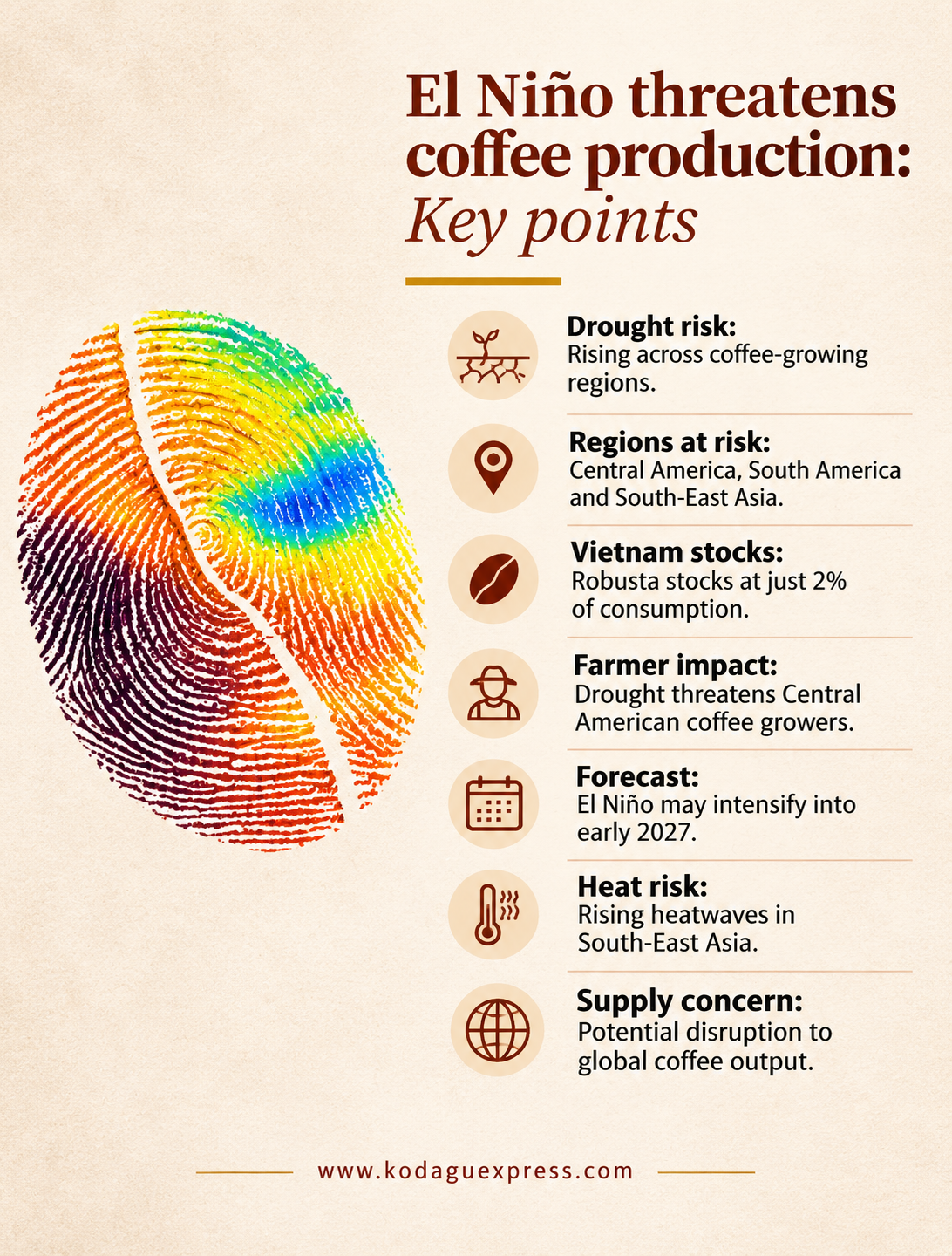
The US Department of Agriculture (USDA) said the 2026–27 El Niño, which developed in mid-2026 and is projected to strengthen significantly into early 2027, is already disrupting global agricultural production forecasts.
The Food and Agriculture Organisation (FAO) has also warned that El Niño could cause severe disruptions for millions of farmers and food producers, particularly in regions already experiencing climate-related challenges.
The potential impact comes amid growing concerns over heatwaves and rainfall deficits in major agricultural regions. BMI expects South-East Asia to face one of the sharpest increases in heat exposure during the developing El Niño phase.
The agency warned that drought-related disruptions could affect agricultural output and increase economic pressure in vulnerable markets.
The FAO has called for urgent anticipatory measures to protect agricultural production and farmers' livelihoods and minimise the impact of extreme weather conditions.